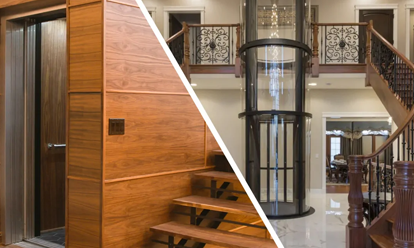
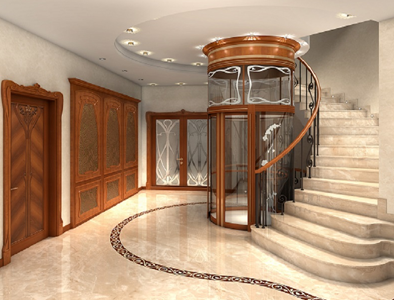
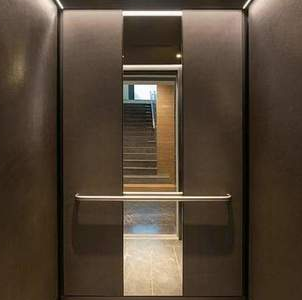
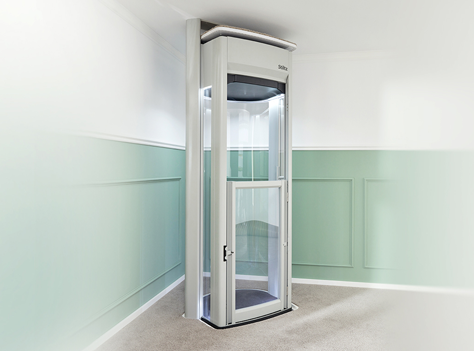
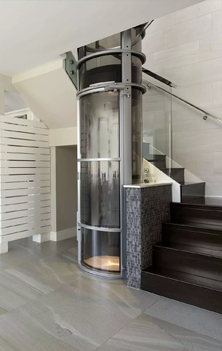
Residential elevators, often referred to as home lifts, have a range of specifications primarily dictated by the available space, intended use, and drive technology. Capacity typically ranges from 500 to 1,000 pounds (227 to 454 kg), accommodating between two and six passengers. Internal cab dimensions are commonly found between 36 in.×48 in. and 51 in.×68 in., with an essential doorway width of at least 32 inches to ensure accessibility for wheelchairs. The elevator's travel distance usually covers up to five stops or about 50 feet, operating at a slower rated speed of around 30 to 40 feet per minute for comfort.
Space requirements vary by type: traditional Hydraulic and Traction models often require a shallow pit depth (around 8 in.) and significant overhead clearance, while modern alternatives like Pneumatic Vacuum Elevators (PVE) and Screw-Driven (Shaftless) lifts are known for their minimal footprint, often requiring no pit or machine room. All residential elevators must adhere to strict safety standards, such as those set by ASME A17.1, and include necessary features like an emergency stop and a backup power source.
Optional Features
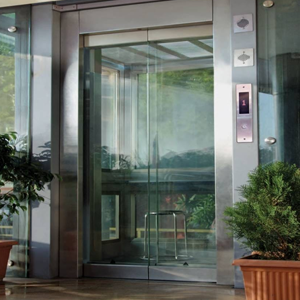
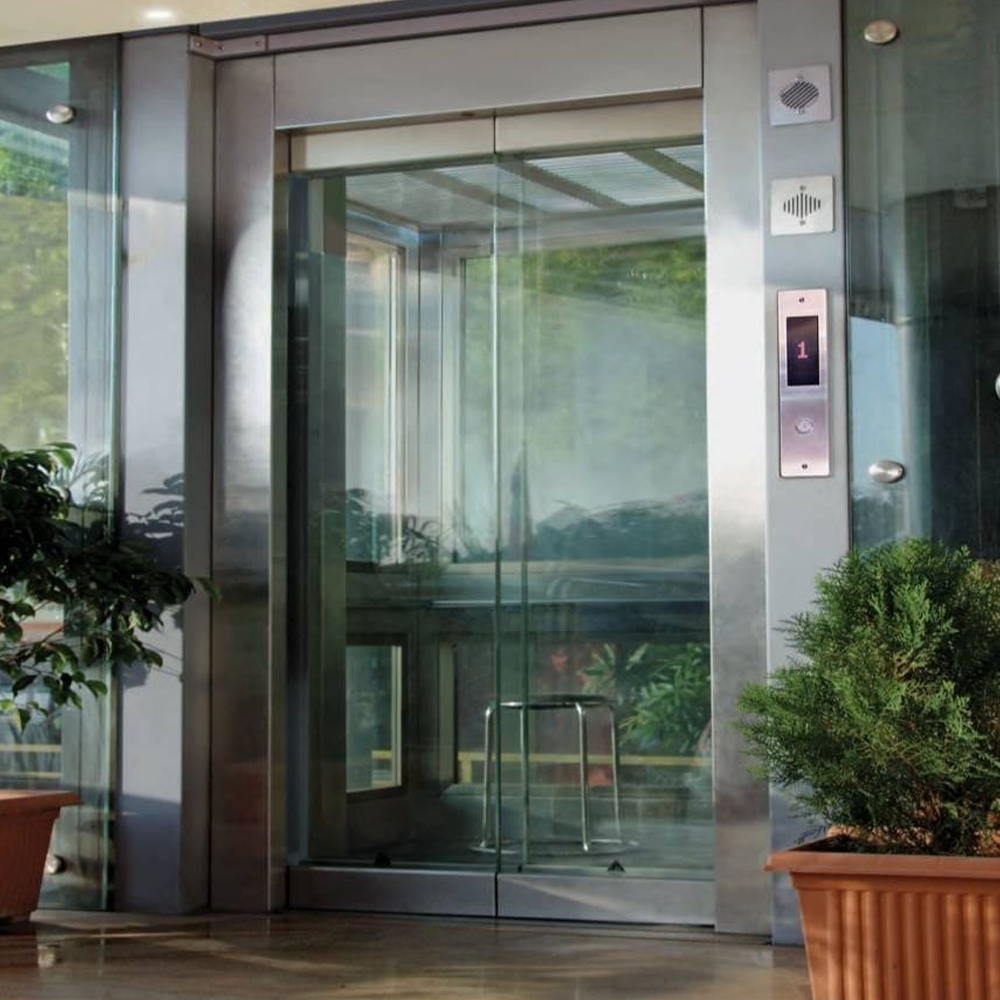
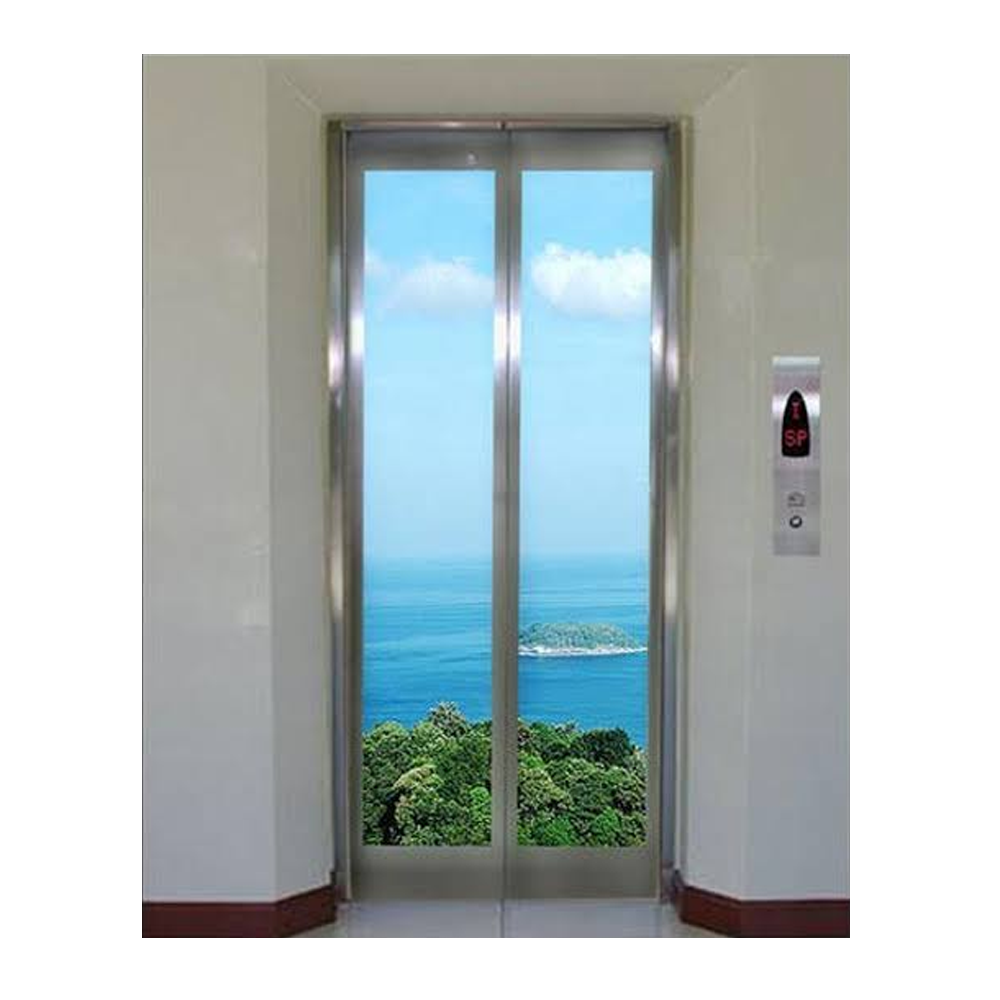
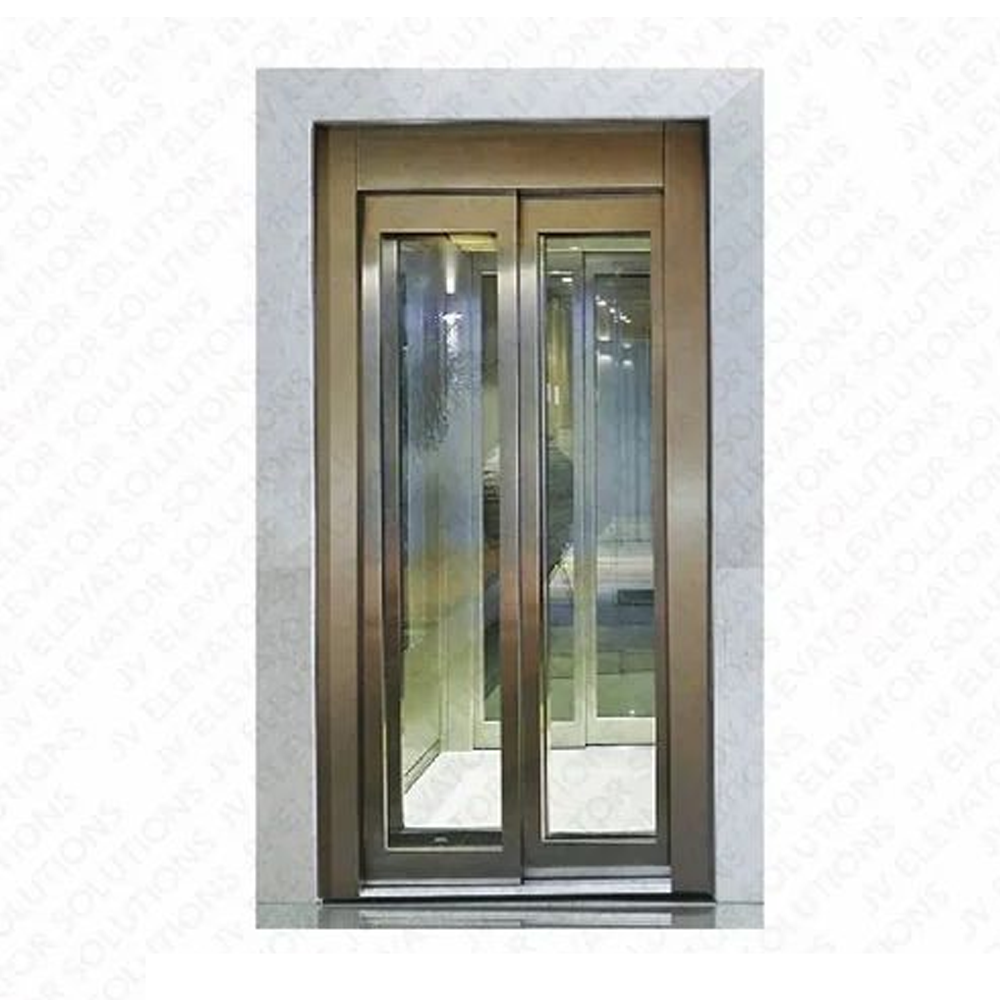
- Glass Shaft Enclosure for panoramic view
- Voice Announcement System
- Automatic Floor Leveling
- Battery Backup for Power Failure
- Custom Interior Lighting and Ceiling Design